
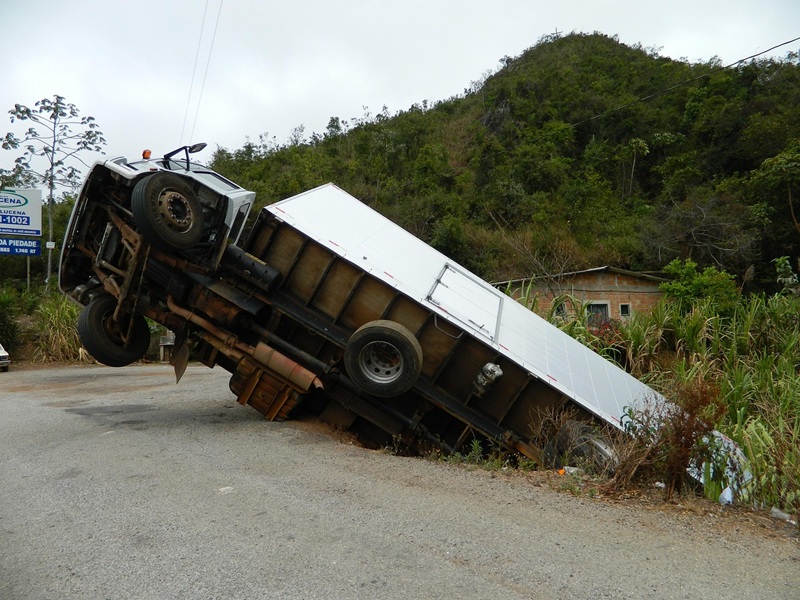
A collision involving a commercial truck can be far more complicated than an ordinary car accident. The size and weight of tractor-trailers, delivery trucks, and other commercial vehicles can result in serious injuries, extensive property damage, and complicated insurance claims. Truck Accident Lawsuits may involve the truck driver, trucking company, vehicle owner, cargo company, maintenance provider, or another party, depending on what caused the crash.
Understanding how liability works and what evidence may be important can help an injured person make informed decisions after a serious truck collision.
Why Are Truck Accidents Different From Car Accidents?
Commercial trucking is subject to federal and state safety requirements that do not apply in the same way to ordinary passenger vehicles.
For example, federal hours-of-service rules regulate how long certain commercial drivers can remain on duty and behind the wheel. For property-carrying drivers, federal rules generally include an 11-hour driving limit following 10 consecutive hours off duty, along with a 14-hour on-duty window. Drivers are also subject to weekly on-duty limits and required rest breaks.
These requirements can become relevant when investigators examine whether fatigue, excessive driving hours, or violations of federal safety rules contributed to a collision.
What Causes Truck Accidents?
Truck crashes can happen for many different reasons. Establishing the actual cause is often an important part of a potential claim.
Common contributing factors include:
- Driver distraction or inattention.
- Speeding or unsafe driving.
- Driver fatigue.
- Following another vehicle too closely.
- Improper lane changes.
- Failure to maintain the truck properly.
- Defective or worn tires.
- Brake problems.
- Improperly loaded or secured cargo.
- Poor visibility or adverse weather.
- Unsafe trucking company practices.
- Inadequate driver training or supervision.
A truck accident investigation may therefore require more than simply determining which vehicle struck another. Investigators may examine driver records, vehicle maintenance documents, electronic logging information, cargo records, photographs, witness statements, and other evidence.
Who Can Be Held Responsible?
Liability in a commercial truck collision depends on the circumstances of the accident and the applicable state law.
The Truck Driver
A driver may be responsible when negligent conduct contributes to the crash. Examples can include distracted driving, speeding, unsafe lane changes, or operating a vehicle while excessively fatigued.
The Trucking Company
A trucking company may potentially face liability based on its own conduct or, depending on the circumstances and applicable law, for the actions of an employee acting within the scope of employment.
Company records can sometimes become important when determining whether a carrier followed applicable safety requirements.
The Truck Owner or Leasing Company
The truck may be owned by a company other than the carrier operating it. Ownership and leasing arrangements can affect which parties have responsibilities relating to the vehicle.
Maintenance Providers
A maintenance company or repair facility could potentially be involved when inadequate maintenance or an improperly performed repair contributes to a crash.
Cargo or Loading Companies
Improperly loaded or secured cargo can affect a truck’s balance and handling. If cargo handling contributed to the collision, the company responsible for loading or securing the cargo may become relevant to the investigation.
Determining liability requires looking at the specific facts rather than automatically assuming that the truck driver or trucking company is responsible.
Research: How Common Are Large Truck Crashes?
Federal crash data demonstrate the seriousness of large-truck collisions.
The Federal Motor Carrier Safety Administration’s Large Truck and Bus Crash Facts 2021, published in November 2023, reported approximately 494,000 police-reported crashes involving large trucks in 2021. The report identified approximately 5,149 fatal crashes and 110,000 injury crashes involving large trucks that year.
The same FMCSA report found that approximately 83% of people killed in crashes involving large trucks were not occupants of the large truck. It also reported that 74% of fatal large-truck crashes involved a collision with a vehicle in transport as the first harmful event.
These figures help explain why collisions between commercial trucks and passenger vehicles can produce severe consequences for people outside the truck.
FMCSA — Large Truck and Bus Crash Facts 2021
What Evidence Can Help Prove a Truck Accident Claim?
Evidence can become especially important when multiple parties or insurance companies are involved.
Depending on the circumstances, useful evidence may include:
- Police accident reports.
- Photographs and videos from the crash scene.
- Medical records and bills.
- Statements from witnesses.
- Vehicle damage photographs.
- Traffic-camera or surveillance footage.
- Truck driver records.
- Electronic logging data.
- Truck maintenance records.
- Inspection records.
- Cargo and loading documentation.
- Employment and training records.
- Accident reconstruction evidence.
- Information from the trucking company’s insurer.
Some commercial trucking records may not remain available indefinitely. For that reason, preserving potentially relevant evidence early can be important.
What Compensation May Be Available?
The damages available after a truck collision depend on the facts of the case and the law of the state where the claim is brought.
Potential categories can include:
Medical Expenses
A claim may involve emergency treatment, hospitalization, surgery, rehabilitation, prescription costs, and other reasonable medical expenses related to the injury.
Lost Income
A serious injury may prevent someone from working temporarily or permanently. Depending on applicable law, compensation may account for lost wages and potentially reduced future earning capacity.
Property Damage
Vehicle repair or replacement costs may be included when another party is legally responsible for the collision.
Pain and Suffering
Some personal injury claims allow compensation for physical pain, emotional distress, and the effects an injury has on a person’s daily life.
Other Damages
Depending on the jurisdiction and circumstances, additional categories of damages may be available.
The availability and calculation of damages are highly dependent on state law and the facts of the individual case.
What Should You Do After a Truck Accident?
The steps taken immediately after a collision can affect both health and the ability to document what happened.
If you are physically able to do so:
- Seek medical attention
Some serious injuries may not be immediately obvious. - Contact law enforcement
An official crash report can provide important documentation. - Photograph the scene
Capture vehicle damage, road conditions, traffic signs, and visible injuries when possible. - Collect witness information
Names and contact information may be useful later. - Exchange necessary insurance information.
- Keep medical records and bills.
- Avoid deleting photographs, videos, messages, or other potentially relevant evidence.
- Be careful when discussing fault with insurers or other parties.
- Consider speaking with a qualified personal injury attorney before accepting a settlement in a serious injury case.
If emergency medical care is required, obtaining treatment should take priority over collecting evidence.
How Do Truck Accident Lawsuits Work?
Truck Accident Lawsuits generally begin with an investigation into the collision and the parties who may have legal responsibility.
The process can vary, but a claim may generally involve:
1. Investigation
Evidence is collected to determine how the crash occurred and who may be legally responsible.
2. Insurance Claim
The injured person’s attorney or the claimant may communicate with the relevant insurance companies and present documentation supporting the claim.
3. Settlement Negotiations
Many personal injury disputes are resolved through negotiations rather than a trial. Settlement discussions may involve medical expenses, lost income, property damage, and other claimed losses.
4. Filing a Lawsuit
If the parties cannot reach an acceptable resolution, a lawsuit may be filed in the appropriate court.
5. Discovery
During litigation, the parties may exchange documents, ask written questions, take depositions, and investigate evidence relevant to the dispute.
6. Trial or Settlement
The case may eventually resolve through settlement or proceed to trial, where a judge or jury may determine disputed issues under the applicable law.
Not every truck accident claim reaches the courtroom.
Why Truck Accident Cases Can Become Complicated
Commercial truck cases can involve multiple businesses, insurance policies, federal regulations, and different types of evidence.
For example, determining responsibility may require examining whether:
- The driver was operating within applicable hours-of-service requirements.
- The truck had been properly maintained.
- The cargo was correctly loaded.
- The driver had appropriate qualifications.
- The trucking company followed applicable safety procedures.
- Another motorist contributed to the crash.
- A defective component played a role.
FMCSA explains that motor carriers can have regulatory liability for hours-of-service violations when they had, or should have had, the means to detect those violations.
This does not automatically establish civil liability for a particular accident. Instead, the evidence and applicable law must be evaluated in the context of the individual case.
How Long Do You Have to File a Truck Accident Claim?
There is no single nationwide deadline for every truck accident injury claim.
Statutes of limitations vary by jurisdiction and by the type of legal claim involved. Cornell’s Legal Information Institute explains that limitation periods can differ depending on the jurisdiction and the nature of the claim.
Other deadlines may also apply in particular circumstances, such as claims involving government entities or special notice requirements.
Because missing an applicable deadline can affect the ability to pursue a claim, an injured person should determine the relevant deadline as early as possible.
Common Mistakes to Avoid
After a serious truck collision, several avoidable mistakes can make a claim more difficult to document.
Accepting a Settlement Too Quickly
An early settlement offer may not account for the full extent of medical treatment or future losses.
Failing to Follow Medical Advice
Gaps in treatment can create questions about the extent or cause of an injury.
Posting About the Accident Online
Social media posts, photographs, or comments may later be examined by opposing parties or insurers.
Guessing About What Happened
Immediately after a traumatic crash, it may be difficult to remember every detail. It is generally better to provide accurate information rather than speculate.
Waiting Too Long
Delays can make evidence harder to obtain and can create problems with applicable legal deadlines.
Frequently Asked Questions
What are Truck Accident Lawsuits?
Truck Accident Lawsuits are civil claims arising from collisions involving commercial trucks when someone alleges that another party’s negligence or wrongful conduct caused injuries, property damage, or other legally recognized losses.
Can I sue a trucking company after an accident?
Potentially. Whether a trucking company can be held legally responsible depends on the facts, the driver’s relationship with the company, applicable state law, and the conduct that contributed to the crash.
What if the truck driver was not the only person at fault?
More than one person or company may potentially contribute to a collision. State laws governing comparative or contributory fault determine how responsibility affects recovery.
What evidence is important in a truck accident case?
Police reports, photographs, medical records, witness statements, vehicle data, driver logs, maintenance records, cargo records, and other documentation may be relevant depending on the circumstances.
Should I talk to the trucking company’s insurance company?
You may need to communicate with an insurer after a crash, but statements about the accident and injuries should be accurate and carefully considered. For a serious injury, consulting a qualified attorney before making significant claim decisions may be appropriate.
How long does a truck accident lawsuit take?
There is no standard timeline. The duration can depend on the severity of the injuries, the amount of evidence, the number of parties involved, insurance negotiations, court schedules, and whether the case settles or proceeds to trial.
Final Thoughts
A commercial truck collision can involve much more than determining which vehicle struck the other. Driver conduct, trucking-company practices, maintenance, cargo loading, federal regulations, insurance coverage, and state personal injury law can all become relevant.
For anyone considering Truck Accident Lawsuits, preserving evidence, documenting medical treatment, understanding potential sources of liability, and paying attention to applicable filing deadlines can be important steps. Because laws differ between states, information about a general truck accident claim should not be treated as a substitute for legal advice about a specific case.
Note: This article provides general information about U.S. truck accident claims and lawsuits. It is not legal advice and does not create an attorney-client relationship. Trucking laws, personal injury rules, deadlines, and available damages can vary by state and by individual circumstances.