
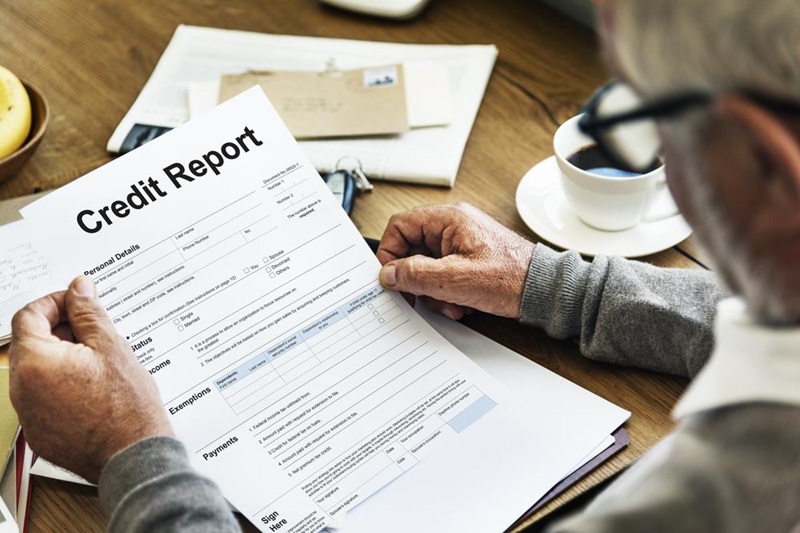
Credit reports play an important role in modern financial life. Lenders, landlords, insurers, and employers may use consumer credit information when making important decisions. The Fair Credit Reporting Act Guide helps consumers and businesses understand the legal framework that governs credit reporting and protects individuals from inaccurate or unfair reporting practices.
As of February 2024, the Fair Credit Reporting Act (FCRA) remains one of the most significant federal consumer protection laws in the United States. It establishes standards for the collection, use, and sharing of consumer credit information while providing important rights to individuals.
What Is the Fair Credit Reporting Act?
The Fair Credit Reporting Act (FCRA) is a federal law enacted to promote accuracy, fairness, and privacy in consumer reporting.
The law regulates how consumer reporting agencies collect, maintain, and distribute information about individuals.
The FCRA applies to:
- Credit reporting agencies.
- Lenders.
- Employers.
- Landlords.
- Insurers.
- Businesses that use consumer reports.
Its primary goal is to ensure that consumer information is handled responsibly and accurately.
Why the FCRA Matters
Consumer reports can affect many aspects of daily life.
They may influence decisions regarding:
- Loan approvals.
- Mortgage applications.
- Credit card eligibility.
- Employment opportunities.
- Housing applications.
- Insurance rates.
Because inaccurate information can have serious consequences, the FCRA provides important safeguards and remedies.
Credit Reports Affect Multiple Areas of Everyday Life
According to the CFPB, consumer reports are commonly used beyond traditional lending decisions. They may also influence employment screening, rental housing applications, insurance underwriting, and utility service eligibility.
Because inaccurate reporting can affect multiple aspects of an individual’s financial life, regularly reviewing credit reports remains an important consumer protection practice.
Referral Sources
- CFPB Consumer Reports:
https://www.consumerfinance.gov/- FTC Consumer Advice:
https://consumer.ftc.gov/
Consumer Rights Under the FCRA
The law grants consumers several significant protections.
Right to Access Credit Reports
Consumers generally have the right to review information contained in their credit reports.
Access to personal credit information helps individuals identify inaccuracies and monitor potential fraud.
Free Credit Reports Are Available
Federal law provides consumers with access to free credit reports from the nationwide consumer reporting agencies through the official centralized website.
Regularly reviewing credit reports helps consumers:
- Detect reporting errors.
- Identify fraudulent accounts.
- Monitor identity theft.
- Verify account information.
Checking your own credit report generally does not affect your credit score.
Referral Sources
- AnnualCreditReport.com
https://www.annualcreditreport.com/- CFPB
https://www.consumerfinance.gov/
Right to Accurate Reporting
Consumer reporting agencies must follow reasonable procedures to ensure maximum possible accuracy of reported information.
Businesses that furnish information to reporting agencies also have responsibilities regarding accuracy.
Right to Dispute Errors
Consumers may challenge inaccurate or incomplete information appearing in their credit reports.
When a dispute is submitted, the reporting agency generally must investigate the claim and take appropriate action.
Right to Notice of Adverse Actions
When a business takes adverse action based on information in a consumer report, the individual may be entitled to receive notice.
Examples of adverse actions include:
- Credit denials
- Employment-related decisions
- Housing application denials
- Insurance-related decisions
The notice helps consumers understand the role their credit information played in the decision.
Common Information Found in Credit Reports
Consumer reports may contain various categories of information.
Examples include:
Personal Information
- Name
- Address history
- Date of birth information
- Employment history in some cases
Credit Account Information
- Loans
- Credit cards
- Payment histories
- Account balances
Public Records
Certain public record information may appear depending on applicable reporting rules.
Credit Inquiries
Reports often include records of entities that have requested access to a consumer’s credit information.
How to Dispute Credit Report Errors
Consumers who identify inaccuracies should act promptly.
Step 1: Review the Report Carefully
Identify specific information believed to be incorrect or incomplete.
Step 2: Gather Supporting Documentation
Helpful records may include:
- Payment confirmations
- Account statements
- Correspondence
- Identity verification documents
Step 3: Submit a Dispute
Consumers may submit disputes directly to the reporting agency and, when appropriate, to the information provider.
Step 4: Monitor the Investigation
Reporting agencies generally must investigate qualifying disputes within established timeframes.
Maintaining records throughout the process is advisable.
Employer Use of Consumer Reports
Many employers use consumer reports during hiring or employment-related evaluations.
Under the FCRA, employers generally must comply with specific requirements before obtaining certain consumer reports.
These requirements may include:
- Providing appropriate disclosures
- Obtaining authorization when required
- Following adverse action procedures
Failure to comply with these requirements can create legal liability.
Responsibilities of Businesses
Businesses that use or furnish consumer information have important obligations under the FCRA.
These responsibilities may include:
Maintaining Accuracy
Information providers should ensure that reported information is accurate and current.
Investigating Disputes
Businesses may need to review disputed information and respond appropriately.
Protecting Consumer Data
Organizations should implement safeguards to protect sensitive consumer information.
Following Disclosure Requirements
Certain uses of consumer reports require specific notices and procedures.
Data Security Is an Increasing Compliance Priority
Organizations that collect or use consumer report information should maintain appropriate administrative, technical, and physical safeguards to protect sensitive personal information.
Strong data governance practices may include:
- Employee privacy training.
- Access controls.
- Secure data storage.
- Vendor oversight.
- Incident response planning.
These measures can help reduce regulatory and cybersecurity risks.
Referral Sources
- FTC Safeguards Rule:
https://www.ftc.gov/- National Institute of Standards and Technology (NIST):
https://www.nist.gov/
Identity Theft and Fraud Protection
The FCRA includes provisions that help consumers address identity theft concerns.
Available protections may include:
- Fraud alerts
- Security freezes
- Identity theft dispute procedures
These tools can help reduce the impact of unauthorized activity.
Case Study: Early Detection Can Reduce Financial Harm
Identity theft remains one of the most common forms of consumer fraud reported to federal agencies. Individuals who promptly review their credit reports, place fraud alerts or security freezes when appropriate, and dispute unauthorized accounts are generally better positioned to minimize financial losses and restore the accuracy of their credit files.
Referral Sources
- FTC Identity Theft:
https://identitytheft.gov/- FTC Data Book:
https://www.ftc.gov/reports
Consequences of Noncompliance
Organizations that fail to comply with FCRA requirements may face:
- Regulatory investigations
- Civil liability
- Monetary damages
- Legal expenses
- Reputational harm
Compliance programs can help reduce these risks.
Regulatory Enforcement Continues
The CFPB and FTC continue to investigate businesses that fail to comply with federal consumer protection laws, including requirements related to credit reporting accuracy, consumer disputes, and data handling practices.
Organizations that implement effective compliance programs may reduce legal and operational risks associated with consumer reporting obligations.
Referral Sources
- CFPB Enforcement:
https://www.consumerfinance.gov/enforcement/- FTC Enforcement:
https://www.ftc.gov/
Best Practices for Consumers
Consumers can protect their financial interests by:
- Reviewing credit reports regularly
- Monitoring account activity
- Addressing inaccuracies promptly
- Maintaining financial records
- Being alert to signs of identity theft
Proactive monitoring can help identify issues before they become significant problems.
Looking Ahead in 2024
As financial transactions become increasingly digital, credit reporting continues to evolve.
Businesses and consumers should remain aware of developments involving:
- Data privacy
- Consumer reporting practices
- Identity theft prevention
- Regulatory compliance
Understanding these issues can help individuals make informed financial decisions.
Technology Continues to Shape Consumer Reporting
Digital financial services continue to influence how consumer information is collected, verified, and shared. Businesses are increasingly using automated systems to process applications, making accurate consumer reporting and timely dispute resolution more important than ever.
Organizations should regularly review their compliance practices as technology and regulatory expectations continue to evolve.
Referral Sources
- CFPB Research:
https://www.consumerfinance.gov/data-research/- NIST:
https://www.nist.gov/
Fair Credit Reporting Trends
Category 2023 2024 CFPB Oversight Active Continued focus on consumer reporting accuracy Identity Theft Prevention Increasing Continued expansion of fraud prevention tools Consumer Dispute Activity High Ongoing regulatory attention Data Privacy Compliance Growing Greater emphasis across industries Digital Credit Reporting Expanding Continued modernization of reporting practices Referral Sources
Conclusion
This Fair Credit Reporting Act Guide highlights the essential rights and responsibilities established under federal law. The FCRA continues to play a critical role in protecting consumers by promoting accurate reporting, providing dispute mechanisms, and ensuring transparency when credit information influences important decisions.
As of February 2024, consumers and businesses alike benefit from understanding the requirements of the law and taking proactive steps to ensure compliance and accuracy in the credit reporting process.